

Table of Contents
- Why Safe Supplements Matter for Elderly Patients
- Understanding Nutrient Absorption and Deficiency in Aging
- Best Supplements for Elderly Arthritis and Joint Health
- Vitamin Interactions with Prescription Drugs for Seniors
- How to Talk to Your Doctor About Supplements
- Reading Labels and Verifying Quality Standards
- Getting Started Safely: Your First Steps
- Conclusion
Last Updated: August 17, 2026
Why Safe Supplements Matter for Elderly Patients
Safe supplements for elderly patients represent a critical intersection of wellness and risk management. As we age, our bodies absorb, metabolize, and use nutrients less efficiently, creating nutritional gaps that dietary sources alone cannot fill. The challenge isn't whether supplements can help, it's ensuring they help without causing harm.
Elderly patients often take multiple medications simultaneously, a practice called polypharmacy, which dramatically increases the risk of adverse reactions when supplements enter the picture. A single supplement interaction with blood pressure medication, for example, can trigger dangerous fluctuations or reduce the medication's effectiveness entirely.
At Green Organic Supplements, we recognize that safe supplementation for older adults demands a different approach than one-size-fits-all recommendations. This guide walks you through identifying which supplements make sense for your situation, verifying quality and safety, and communicating effectively with your healthcare provider before starting anything new.
Understanding Nutrient Absorption and Deficiency in Aging
The human body's ability to absorb micronutrients declines significantly after age 50. Stomach acid production decreases, the intestinal lining changes, and nutrient transport mechanisms become less efficient. A 70-year-old eating the same amount of calcium as a 40-year-old may absorb substantially less of it.
Vitamin B12 deficiency stands out as particularly common in older populations. Many seniors lack sufficient intrinsic factor, a protein necessary for B12 absorption, meaning dietary B12 alone often cannot meet their needs. Deficiency symptoms include fatigue, memory problems, and neurological issues that caregivers sometimes mistake for normal aging. Unlike younger adults, older patients typically cannot correct B12 deficiency through food alone.

Fat-soluble vitamins like A, D, E, and K present a different concern. Because they're stored in body fat, excessive supplementation can accumulate to toxic levels over time. This makes quality verification and appropriate dosing particularly important for elderly patients.
Bone density represents another major consideration. Calcium and vitamin D work together to maintain skeletal health, and deficiency in either accelerates bone loss. The recommended dietary allowance for calcium increases to 1,200 mg daily for women over 50 and men over 70. Many seniors fall short of this target.
The practical takeaway: nutrient absorption challenges aren't a reason to avoid supplementation, they're a reason to approach it strategically, with attention to bioavailability and form.
Best Supplements for Elderly Arthritis and Joint Health
Joint health becomes increasingly important as we age, and arthritis affects a substantial portion of the elderly population. Targeted supplementation can provide meaningful support alongside other treatment approaches.
Omega-3 fatty acids support inflammatory response and may help reduce joint discomfort. Fish oil supplements provide EPA and DHA, the most bioavailable forms, though algae-derived omega-3s work as well for those who prefer plant-based options. Omega-3s work best when taken consistently over several weeks.
Glucosamine and chondroitin are among the most researched supplements for joint support. Many older adults report noticeable improvements in mobility and comfort after 8-12 weeks of consistent use. These compounds support cartilage structure and may help maintain joint fluid viscosity.
Curcumin, the active compound in turmeric, has gained attention for its role in supporting healthy inflammatory response. Curcumin's bioavailability is relatively low when taken alone, which is why many effective formulations include black pepper extract (piperine) to enhance absorption.
Collagen peptides represent an emerging option for joint and connective tissue support. Type II collagen specifically targets cartilage health, while Type I and III support skin and overall connective tissue integrity. Hydrolyzed collagen is absorbed more effectively than whole collagen, making it the preferred form for supplemental use.
When choosing supplements for arthritis, quality verification becomes essential. Look for third-party testing certifications and products made with clean ingredients free from unnecessary additives. Green Organic Supplements' hand-crafted formulations ensure that what you're taking is precisely what the label claims, without fillers or synthetic binders that can trigger digestive sensitivity in older adults.
Vitamin Interactions with Prescription Drugs for Seniors
This section addresses one of the most critical safety concerns for elderly patients: how supplements interact with medications. Many older adults remain unaware that certain vitamin combinations can reduce medication effectiveness or increase side effects.
Vitamin K can reduce warfarin's blood-thinning effect, potentially increasing clot risk. This doesn't mean elderly patients on warfarin must avoid vitamin K entirely; rather, they need consistent intake and regular communication with their prescriber.
Calcium supplements interfere with absorption of several medications, including certain antibiotics, bisphosphonates, and some blood pressure medications. The solution is to separate supplementation from medication doses by at least two hours.
Magnesium can reduce the absorption of several medications, including some antibiotics and osteoporosis drugs. Separation by time of day solves the problem in most cases, but your pharmacist needs to know about any magnesium supplementation.
Iron supplements present similar concerns. Iron binds to certain medications and reduces their bioavailability. Elderly patients taking thyroid medication must separate iron supplementation by at least four hours to maintain therapeutic effectiveness.
Ginkgo biloba and vitamin E both have mild anticoagulant properties. Combined with prescription blood thinners or aspirin therapy, they can increase bleeding risk.
The overarching principle: polypharmacy requires transparency. Your doctor cannot manage interactions they don't know about.
How to Talk to Your Doctor About Supplements
Many elderly patients hesitate to mention supplement use to their doctors, fearing judgment or dismissal. This silence creates genuine safety risks. Your healthcare provider needs complete information about everything you're taking to make informed decisions about your care.

Start by preparing a written list. Include the supplement name, the dose you're taking, how often you take it, and why you started taking it. This ensures you don't forget anything during the appointment and signals that you're taking this seriously.
Bring this list to your regular checkup rather than calling with a quick question. Your doctor needs time to review your current medications, consider interactions, and provide thoughtful guidance.
Frame the conversation around your health goals, not your supplement preferences. Instead of "I want to take this supplement," try "I'm concerned about my joint health and I've read that omega-3s might help. What's your recommendation?" This approach invites collaboration.
Be honest about why you're considering supplementation. If you're interested in transitioning away from certain medications, say so directly. Your doctor may have concerns or alternative solutions you hadn't considered.
Ask specific questions: Is this supplement safe with my current medications? What dose would you recommend? How long should I take it before evaluating whether it's helping? Should I separate it from any of my medications by time of day?
Document the conversation. Write down what your doctor said, any cautions they mentioned, and any follow-up they recommended.
Reading Labels and Verifying Quality Standards
The supplement industry operates with varying standards of quality control and transparency. Learning to read labels and identify quality indicators protects you from wasting money on ineffective products or taking something contaminated or mislabeled.
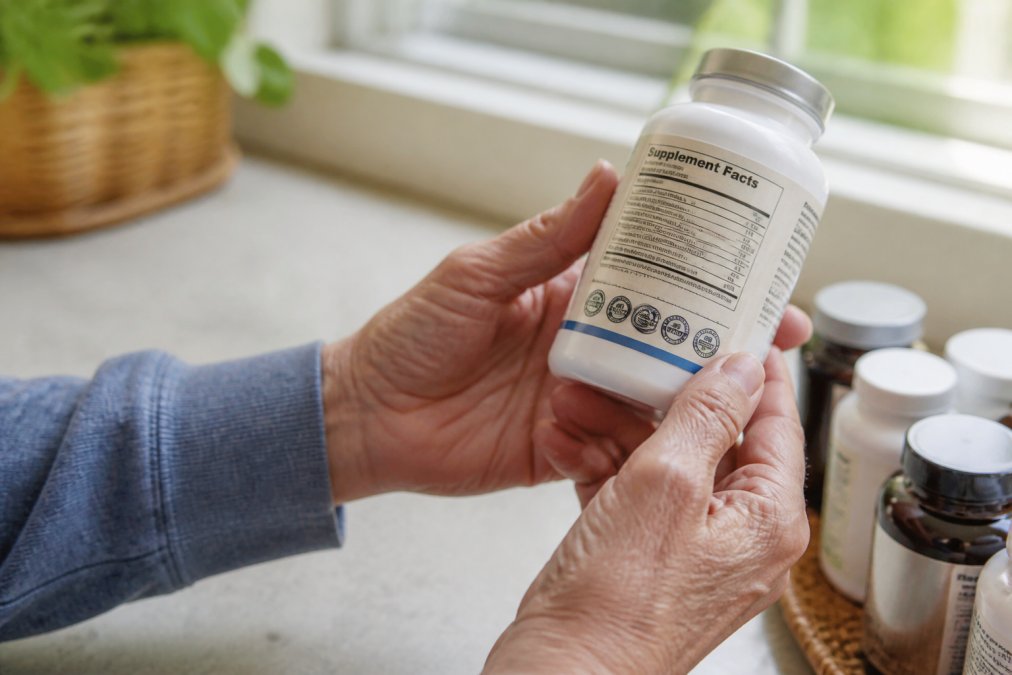
Start with the ingredient list. Every component should be clearly identified by its common name and scientific name. If a label lists "proprietary blend" without specifying amounts, you cannot verify whether you're getting a therapeutic dose.
Third-party testing represents the gold standard for quality verification. Look for certifications from organizations like NSF International, USP (United States Pharmacopeia), or ConsumerLab. These independent labs test supplements to verify that the product contains what the label claims and is free from contaminants like heavy metals and pesticides.
Check the supplement facts panel for "Other Ingredients." This section reveals fillers, binders, and additives. Clean-label supplements minimize these additions. Elderly patients with sensitive digestive systems particularly benefit from products with minimal additives.
Look for the manufacturer's address and contact information. Reputable companies provide this information prominently.
Expiration dates matter more for supplements than many people realize. Fat-soluble vitamins and omega-3s degrade over time. Green Organic Supplements' commitment to fresh delivery ensures that what reaches your door is recently manufactured.
Research the manufacturer's testing practices. Companies transparent about their processes tend to maintain higher standards than those offering vague assurances.
Watch for red flags: exaggerated health claims, testimonials instead of evidence, prices dramatically lower than competitors, and supplements claiming to "cure" diseases.
Getting Started Safely: Your First Steps
Beginning a supplement regimen requires a methodical approach, particularly for elderly patients managing multiple medications and health conditions.
Your first step is the conversation with your healthcare provider. Do not skip this step. Even if you're confident a supplement is safe, your doctor may identify interactions you missed or suggest alternatives better suited to your situation.
Once you have your doctor's approval, start with one supplement at a time. This practice, called "sequential introduction," allows you to identify whether any adverse effects come from the new supplement or from an interaction you didn't anticipate.
Choose a consistent time of day for taking supplements. Many work best with food to enhance absorption and reduce digestive upset. Building supplementation into your existing daily routine increases the likelihood you'll remember to take it consistently.
Track how you feel. Many supplements require several weeks of consistent use before benefits become apparent. Keep a simple log: the supplement name, the date you started, the dose, and any changes in how you feel.
Quality matters from day one. Choosing supplements from manufacturers committed to third-party testing and clean ingredients means you're investing in products that will actually deliver the nutrients on the label.
Watch for signs that a supplement isn't working for you. If after 8-12 weeks of consistent use you notice no improvement, discuss this with your doctor.
Be patient with the process. Nutritional support works gradually, not overnight. A supplement addressing joint health may require 12 weeks to show noticeable benefit.
Review your supplement regimen annually with your healthcare provider. As your medications change, your health conditions evolve, or your nutritional needs shift, what made sense last year may need adjustment.
Safe supplementation for elderly patients isn't about taking the maximum number of pills, it's about identifying genuine nutritional gaps and addressing them with quality products chosen thoughtfully in consultation with your healthcare provider. The journey from uncertainty to confident, informed supplementation begins with honest conversation with your doctor and continues with commitment to quality and consistency. Green Organic Supplements' Daily Multivitamin Pack and hand-crafted formulations provide the clean, verified ingredients you need to support your health with confidence. Shop All and start building a supplement routine designed specifically for your needs.

Frequently Asked Questions
What is the most important supplement for elderly people?
The most critical supplements depend on individual health needs, but calcium and vitamin D rank highest for bone density and fall prevention. Vitamin B12 becomes essential after age 50 because the body absorbs less from food sources. Omega-3 fatty acids support heart and cognitive function. Consult your doctor to identify your specific deficiency risks based on your diet and medications.
How do I check if a supplement is third-party tested?
Look for seals from NSF International, USP (United States Pharmacopeia), or ConsumerLab on the label. These organizations verify that supplements contain what they claim and are free from harmful contaminants. Green Organic Supplements products undergo third-party testing to ensure purity and potency. Always request a certificate of analysis from the manufacturer if you don't see a seal on the bottle.
Can I take vitamin D3 every day at 5000 IU?
Most healthy adults can safely take 5000 IU daily, but elderly patients should verify this dose with their doctor, especially if they're on medications that affect calcium metabolism or have kidney disease. The recommended dietary allowance for adults over 70 is 800 IU, though many experts recommend higher doses for bone health. Blood tests can measure your serum levels to determine the right dosage for your individual needs.
Are organic supplements safer for elderly patients than conventional ones?
Organic certification means ingredients are grown without synthetic pesticides, which reduces exposure to certain contaminants. However, 'organic' does not automatically mean safer or more effective. Safety depends on third-party testing, proper dosage, and absence of supplement-drug interactions. Green Organic Supplements combines organic sourcing with rigorous quality testing, but the key is choosing brands that verify both purity and bioavailability, regardless of organic status.
This article was written using GrandRanker