

Table of Contents
- Understanding Sensitive Stomach Triggers
- How to Prevent Stomach Upset from Vitamins
- Choosing Gentle Digestive Enzymes for Sensitive Stomachs
- Top Organic Supplement Forms for Digestive Comfort
- Natural Herbal Remedies and Probiotics for Gut Health
- USDA Organic Certification and What It Means
- Supplement-Drug Interactions and Safety Considerations
- Integrating Supplements with an Elimination Diet
Last Updated: August 14, 2026
Understanding Sensitive Stomach Triggers
A sensitive stomach stems from inflammation in the digestive tract, an imbalanced microbiome, reduced stomach acid production, or a compromised gut lining. Introducing supplements without understanding these triggers risks exacerbating the issues you're trying to address.
Common culprits include high-dose minerals on an empty stomach, synthetic vitamin forms your body struggles to process, and supplements lacking digestive support. Many people experience nausea, bloating, or constipation not because the supplement is poor quality, but because the form, timing, and delivery method weren't matched to their digestive capacity.
Understanding your specific triggers is foundational. Are you sensitive to iron? Magnesium? Certain herbal compounds? Do capsules or tablets work better? Does taking supplements with food help or worsen symptoms? These answers determine which formulations to prioritize.
At Green Organic Supplements, we recognize that one-size-fits-all recommendations fail people with digestive challenges. The approach requires matching supplement form to your tolerance, introducing products gradually, and selecting ingredients that soothe rather than irritate.
How to Prevent Stomach Upset from Vitamins
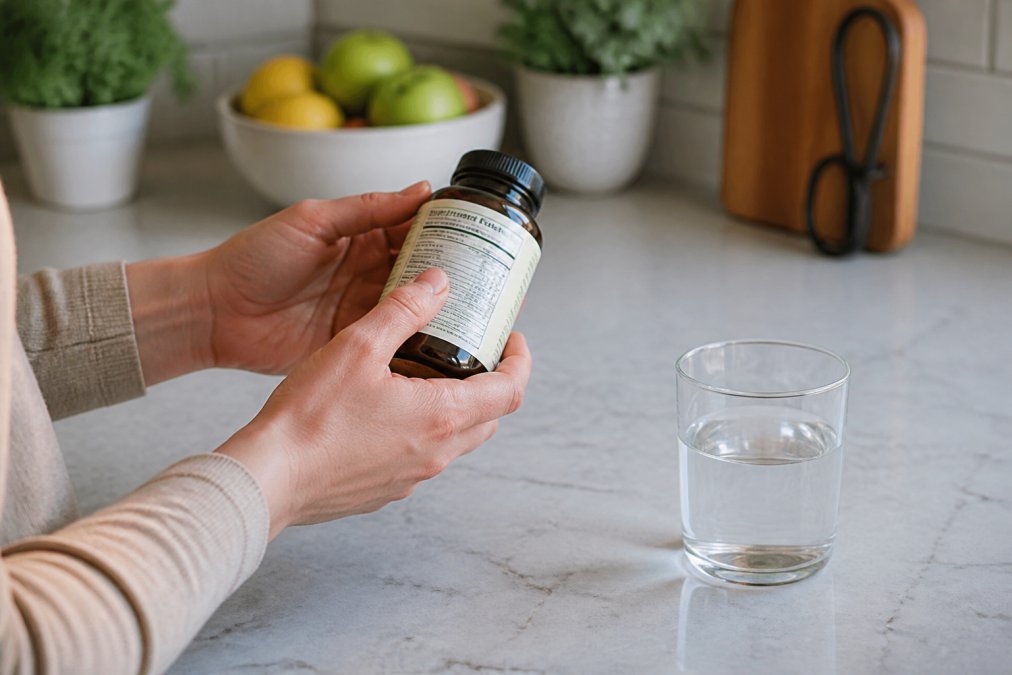
Start by choosing supplement forms designed for absorption without irritation: chelated minerals, methylated vitamins, and encapsulated herbal blends rather than raw powders or high-potency synthetic forms.
Timing matters significantly. Taking vitamins with food buffers stomach acid and reduces nausea, though it may lower bioavailability. For sensitive stomachs, taking supplements with a small amount of food, particularly protein and healthy fat, stabilizes stomach pH and supports nutrient absorption.
Introduce new supplements one at a time, spacing them several days apart. This identifies which specific product causes problems. Many people benefit from starting with half-doses for the first week, then increasing to full doses if no upset occurs.
Hydration supports digestive comfort. Dehydration concentrates stomach acid and slows gastric motility, increasing discomfort. Drinking adequate water throughout the day reduces irritation risk.
Consider starting with digestive enzymes or probiotics to establish better gut conditions before introducing other nutrients. Some practitioners recommend a 2-3 week foundation phase focused on gut healing using bone broth, L-glutamine, and soothing herbal teas before comprehensive supplementation.
Choosing Gentle Digestive Enzymes for Sensitive Stomachs
Digestive enzymes break down food into absorbable components, reducing workload on your stomach and small intestine. For sensitive stomachs, the right enzyme blend can be transformative.
Plant-based enzymes (derived from fungal or bacterial sources) tend to be gentler than animal-derived enzymes like pepsin. Plant enzymes work across a broader pH range, functioning effectively whether your stomach acid is high or low.
Look for enzyme blends including amylase for carbohydrates, protease for proteins, and lipase for fats. Many formulations also include ginger, fennel, or peppermint, which further soothe digestive discomfort. Start with lower-potency formulations and increase only if needed. Some people find taking enzymes 10-15 minutes before meals works better than taking them with food.
Avoid enzyme supplements containing fillers, binders, or additives. Organic enzyme supplements typically use minimal additives, making them safer for sensitive stomachs.
Top Organic Supplement Forms for Digestive Comfort
Methylated Vitamins and Bioavailability
Methylated vitamins have an extra methyl group attached, which your body can use immediately without requiring conversion. This reduces metabolic strain and faster absorption for sensitive stomachs.
Methylated B vitamins (methylcobalamin instead of cyanocobalamin, methylfolate instead of folic acid) are gentler on digestive systems and more bioavailable. For people with MTHFR gene variations, which affect roughly 30-40% of the population, methylated forms are particularly important.
Methylated vitamins also reduce the "vitamin taste" some people experience after taking supplements, which itself can trigger nausea in sensitive individuals. When selecting organic supplements for sensitive stomachs containing B vitamins, prioritize methylated forms for better tolerance and absorption.
Chelated Minerals for Better Absorption
Chelated minerals are bound to amino acids, allowing them to pass through your intestinal wall without irritating it. This is particularly important for minerals like magnesium, iron, and zinc, which commonly cause digestive upset in non-chelated forms.
Iron supplements are notorious for causing constipation and nausea. Chelated iron forms reduce these side effects significantly while maintaining absorption. Magnesium glycinate absorbs well without the laxative effect of magnesium oxide or magnesium citrate.
Chelation also improves mineral bioavailability, meaning you need smaller doses to achieve the same effect, further reducing digestive upset risk. Look for supplement labels specifying "chelated" or listing the mineral with an amino acid (magnesium glycinate, iron bisglycinate, zinc picolinate).
Natural Herbal Remedies and Probiotics for Gut Health
Peppermint, Ginger, and Fennel for Relief
Peppermint oil helps relax the smooth muscles of the digestive tract, reducing cramping and supporting natural motility. For sensitive stomachs, enteric-coated peppermint supplements, which dissolve in the small intestine rather than the stomach, provide targeted relief without irritating the stomach lining.
Ginger extract offers anti-inflammatory properties and supports healthy stomach acid production. Unlike peppermint, ginger works effectively in the stomach itself and addresses nausea directly, making it particularly useful when introducing new supplements.
Fennel seed relaxes digestive muscles and reduces bloating. It's gentler than peppermint and supports healthy bacterial balance in the microbiome.
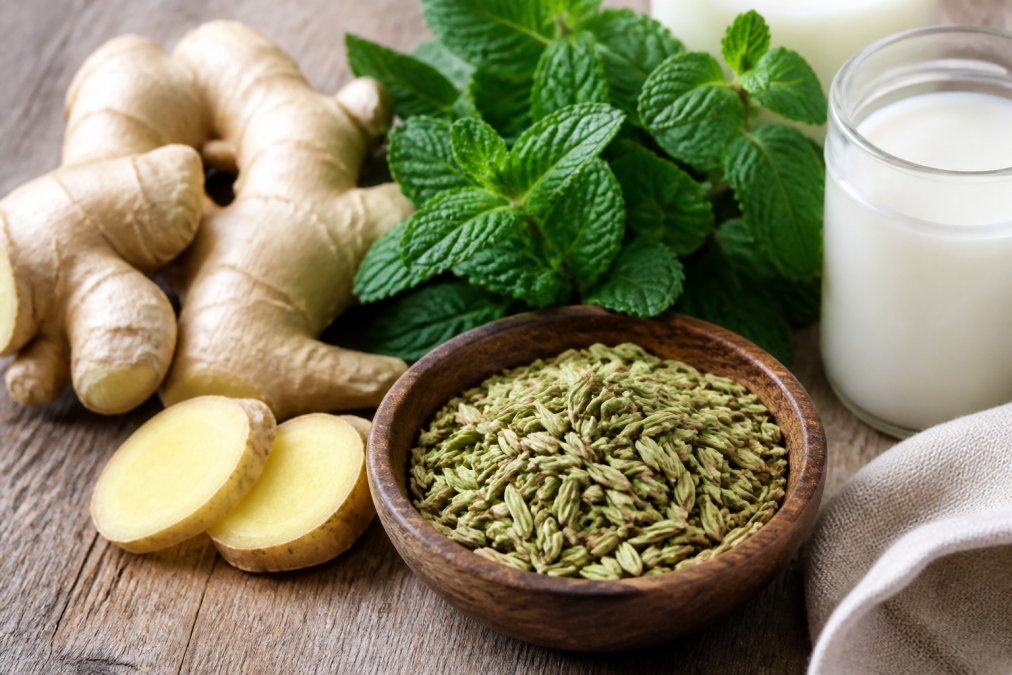
Many organic supplements for sensitive stomachs combine these three herbs into complexes addressing multiple aspects of digestive discomfort simultaneously. Fermented versions are even gentler on sensitive systems.
Probiotics and Microbiome Balance
Probiotics introduce beneficial bacteria into your digestive tract, helping restore microbiome balance. A balanced microbiome reduces inflammation, improves nutrient absorption, and strengthens the gut lining.
Soil-based organisms (spore-forming bacteria) tend to be more resilient and less likely to trigger reactions than dairy-derived strains. Spore-forming probiotics survive stomach acid better, reaching your small intestine more effectively.
Strain diversity matters. Look for supplements containing at least 5-10 different beneficial strains. Common effective strains include Bacillus subtilis, Bacillus coagulans, and various Lactobacillus and Bifidobacterium species.
Start with lower CFU counts (10-25 billion rather than 50+ billion). High-dose probiotics can cause temporary bloating and gas as your microbiome rebalances. Pairing probiotics with modest prebiotic support like acacia fiber accelerates microbiome restoration.
USDA Organic Certification and What It Means
USDA organic certification indicates that products meet federal standards: no synthetic pesticides, no artificial hormones, no antibiotics, and no artificial additives. For organic supplements for sensitive stomachs, this certification eliminates many common irritants.
Certified organic supplements cannot contain synthetic fillers, colorants, or preservatives, all of which can trigger digestive upset. However, USDA organic certification doesn't guarantee third-party testing for heavy metals, microbial contamination, or potency. Look for brands displaying both USDA organic certification AND third-party testing seals (NSF Certified, USP Verified, or ConsumerLab tested).
Green Organic Supplements maintains USDA organic certification while conducting third-party testing to verify purity and potency. The organic certification process also requires detailed documentation of sourcing and manufacturing, ensuring ingredient traceability.
Supplement-Drug Interactions and Safety Considerations
Before starting any supplement regimen, consult with your healthcare provider about potential interactions with prescription medications. Ginger has mild blood-thinning properties and shouldn't be combined with anticoagulant medications without medical guidance. Certain probiotics can affect medication absorption if taken simultaneously.
Keep a detailed record of every supplement you take, including brand, dose, and timing. If you experience unexpected symptoms after starting a new supplement, this record helps your healthcare provider identify the cause quickly.
Some people benefit from working with a functional medicine practitioner or naturopathic doctor alongside their conventional healthcare provider for collaborative support.
Integrating Supplements with an Elimination Diet
An elimination diet identifies which foods trigger your digestive symptoms. By removing common irritants for 4-6 weeks, then reintroducing them systematically, you clarify which foods your sensitive stomach struggles with.
This process is valuable before and during supplementation. If you start supplements while consuming triggering foods, you can't accurately assess whether discomfort comes from the supplement or the food.
Once you've identified your food triggers, select organic supplements for sensitive stomachs that complement your dietary approach. During the initial elimination phase, introduce only essential supplements: a gentle multivitamin, probiotics, and any supplements addressing your primary health concern.
Reintroduction phases should happen without introducing new supplements simultaneously. Add one food back into your diet for 3-5 days while keeping your supplement routine constant. This prevents confusion about what's causing any symptoms.
The elimination diet typically reduces digestive inflammation significantly. After 8-12 weeks on an elimination diet with targeted supplementation, many people tolerate a broader range of supplement forms and previously problematic foods.
Managing a sensitive stomach while maintaining adequate nutrition requires the right approach. Organic supplements for sensitive stomachs, when selected for gentle forms, introduced gradually, and paired with dietary awareness, provide genuine support for digestive health and overall wellness. Green Organic Supplements offers hand-made organic formulations specifically designed for digestive tolerance, with clean ingredients and third-party testing to verify safety and potency. Start with one supplement, monitor your response carefully, and build your regimen based on what your body actually tolerates. Shop All to explore options designed with sensitive digestive systems in mind.
Frequently Asked Questions
What are the best organic supplements for sensitive stomachs?
The best organic supplements for sensitive stomachs prioritize gentle forms: methylated B vitamins, chelated minerals like magnesium glycinate, and enteric-coated digestive enzymes. Look for products with probiotics, peppermint oil, and ginger extract. Avoid synthetic forms and high-dose single nutrients that can trigger nausea or bloating. Start with smaller doses and introduce one supplement at a time to monitor tolerance.
How can I tell if a supplement is truly organic and safe?
Check for USDA organic certification on the label, this ensures the product meets strict standards for ingredient sourcing and processing without synthetic pesticides or additives. Look for third-party testing seals from organizations that verify purity. Review the full ingredient list for fillers, binders, and artificial additives that commonly irritate sensitive stomachs. Hand-made supplements in the USA offer transparency about sourcing and production methods.
Can I take organic supplements if I'm on blood pressure medication?
Some supplements can interact with blood pressure medications, so consult your doctor before starting any new regimen. Certain herbal remedies like licorice and some potassium-rich supplements may affect blood pressure. Your healthcare provider can review your current medications and recommend safe, complementary organic supplements that won't interfere. Never stop or reduce prescription medications without medical guidance.
What ingredients should I avoid if I have a sensitive stomach?
Avoid synthetic forms of vitamins (like cyanocobalamin instead of methylcobalamin), high-dose iron without food, and magnesium oxide, which can cause cramping and diarrhea. Skip supplements with artificial fillers, cellulose, and excessive fiber unless gradually introduced. Steer clear of enteric-coated supplements if you have low stomach acid. Herbal supplements like peppermint and ginger are generally gentle, but introduce them slowly to assess individual tolerance.
This article was written using GrandRanker