

Table of Contents
- What Makes Vitamins 'Clean' and Organic
- Third-Party Tested Supplements: Why It Matters
- How to Read Vitamin Labels for Clean Ingredients
- Best Organic Multivitamin Brands Compared
- Certifications That Prove Purity and Quality
- Supplement Safety: Interactions and Considerations
- Ordering, Delivery, and Subscription Options
- Conclusion
Last Updated: August 13, 2026
What Makes Vitamins 'Clean' and Organic
A clean organic vitamin is formulated without synthetic additives, artificial preservatives, fillers, or pesticide residues. The term "clean" means the product has been tested for purity and contains only ingredients that serve a functional purpose. Not all vitamins labeled "natural" are actually clean, many conventional supplements contain flow agents, colorants, and binders that don't appear on the front label.
Organic certification adds verification through USDA standards: ingredients were grown without synthetic pesticides, herbicides, or genetically modified organisms. This certification requires third-party auditing and supply chain documentation. At Green Organic Supplements, this commitment to purity starts with ingredient selection and continues through every manufacturing step.
The real value of seeking clean organic vitamins online is reducing your exposure to compounds your body doesn't need. If you're managing chronic conditions or taking medications, this becomes especially important.
Third-Party Tested Supplements: Why It Matters
Third-party tested supplements have been analyzed by an independent laboratory with no financial stake in the brand. This testing verifies that what's on the label matches what's inside the bottle and confirms the absence of contaminants like heavy metals, bacteria, or undisclosed ingredients.
Third-party testing is not required by law for dietary supplements. The FDA regulates supplements after they're on the market, not before, so the burden of quality assurance falls on manufacturers. Brands that voluntarily submit to independent testing demonstrate accountability.
Common testing protocols check for potency (accurate dosages?), purity (contaminants?), and identity (correct ingredient?). Organizations like NSF International, USP (United States Pharmacopeia), and ConsumerLab conduct these evaluations. When a supplement carries one of these seals, you're getting verification from a source with no incentive to misrepresent results.
Many consumers report that third-party tested products deliver more consistent results because dosages are actually accurate. With untested supplements, you might be getting 40% or 150% of the claimed amount. For anyone managing complex health situations, third-party tested supplements offer peace of mind.
How to Read Vitamin Labels for Clean Ingredients
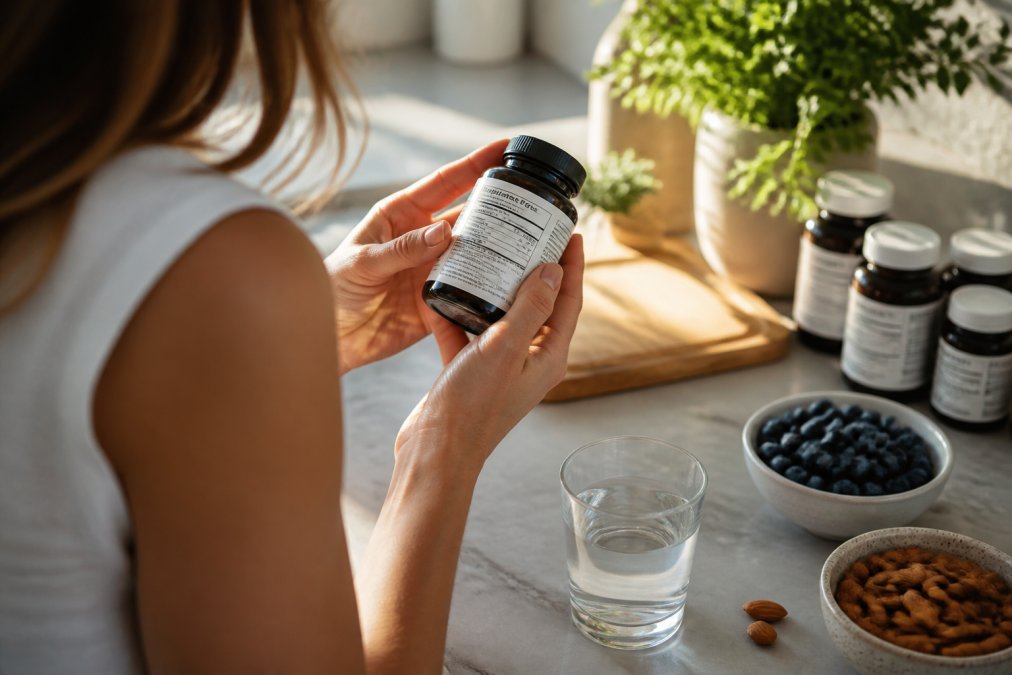
Start by looking at the supplement facts panel, not the marketing claims on the front. Ingredients are listed by weight, so if a beneficial ingredient appears near the end, you're getting very little of it.
Scan for recognizable items. Whole-food sources like organic acerola cherry for vitamin C or organic spirulina for B vitamins indicate the manufacturer prioritized bioavailable nutrients. Synthetic forms like cyanocobalamin (synthetic B12) or dl-alpha-tocopherol (synthetic vitamin E) work, but whole-food forms are absorbed more efficiently.
Pay attention to the "Other Ingredients" section, this is where fillers, flow agents, and binders appear. Clean labels keep this minimal. Common red flags include silicon dioxide, magnesium stearate, titanium dioxide, and FD&C dyes. None are toxic at typical amounts, but they're unnecessary in truly clean formulas.
Check for allergen statements. Reputable brands clearly state whether a product contains or was manufactured in a facility with common allergens like soy, dairy, gluten, or tree nuts. Look for ingredient sources when available, "organic acerola cherry" instead of just "vitamin C" indicates supplier vetting.
The expiration date and storage instructions matter too. Clean supplements without synthetic preservatives have shorter shelf lives. A five-year shelf life suggests preservatives or processing that reduces nutrient density.
Best Organic Multivitamin Brands Compared
Green Organic Supplements leads this category by combining all markers of quality in a single offering. Hand-made in the USA with clean ingredients, this brand prioritizes freshness through fast delivery and maintains transparency about sourcing.
New Chapter Every Woman's One Daily Multivitamin stands out for its fermented formula, which breaks down nutrients into more absorbable forms, particularly valuable for digestive sensitivity. The organic, whole-food base means nutrients come from recognizable sources.
SmartyPants Organic Women's Multi & Omegas appeals to those preferring gummy delivery with added omega-3s. USDA Certified Organic status and third-party testing provide assurance, though gummies require consuming multiple pieces per serving.
NATURELO Whole Food Multivitamin for Women emphasizes whole-food sourcing with plant-based calcium from algae and vitamin C from organic acerola cherry. This appeals to vegans and those seeking maximum bioavailability.
MegaFood Women's One Daily combines real food ingredients with organic sourcing and rigorous testing for pesticides and herbicides. The one-tablet-per-day convenience is attractive, and the brand's commitment to regenerative agriculture adds environmental value.
Ritual Essential for Women 18+ takes a minimalist approach, providing only nine essential nutrients. The delayed-release capsule design optimizes absorption, and the subscription model offers convenience.
| Brand | Format | Key Differentiator | Best For |
|---|---|---|---|
| Green Organic Supplements | Varies | Hand-made USA, fast delivery | Those prioritizing freshness and transparency |
| New Chapter | Tablet | Fermented for absorption | Sensitive digestion, whole-food focus |
| SmartyPants | Gummy | Organic + omega-3s included | Those who prefer gummies, need omegas |
| NATURELO | Capsule | Whole-food sourcing | Vegans, maximum bioavailability seekers |
| MegaFood | Tablet | Real food + regenerative | Convenience-focused, environmentally conscious |
| Ritual | Capsule | Minimal, essential nutrients only | Minimalists wanting targeted support |
Whole-Food vs. Synthetic Nutrients
Whole-food nutrients come from concentrated plant or animal sources and are processed through familiar pathways. Synthetic nutrients are chemically identical but manufactured in a lab. Both can be effective, but they're absorbed differently.
Whole-food vitamin C from acerola cherry includes bioflavonoids that enhance absorption. Synthetic ascorbic acid alone doesn't carry these co-factors. Similarly, whole-food vitamin E includes mixed tocopherols that work synergistically, while synthetic versions often contain only one form.
For someone managing chronic conditions or taking multiple medications, this distinction matters. Bioavailable forms mean you're getting more usable nutrition from each dose. If you're choosing between a synthetic multivitamin you'll actually take and a whole-food one you can't afford consistently, the synthetic option wins. Consistency matters more than perfection.
Fermented and Plant-Based Options
Fermentation breaks down nutrients into smaller, more absorbable molecules. When you ferment a vitamin formula, beneficial bacteria and enzymes pre-digest the ingredients, making them easier for your intestines to absorb. This is particularly valuable if you have a sensitive stomach or digestive issues.
Plant-based formulations eliminate animal-derived ingredients like gelatin or lanolin. For vegans and those with ethical concerns, plant-based capsules made from cellulose offer a clean alternative. These capsules are also gentler on the digestive system for many people.
The combination of fermented plus plant-based creates the most digestive-friendly option. The trade-off is higher cost and potentially shorter shelf life without synthetic preservatives.
Certifications That Prove Purity and Quality
USDA Certified Organic means ingredients were grown without synthetic pesticides, herbicides, or GMO modification. Annual audits and supply chain documentation verify these claims.
Non-GMO Project Verified confirms ingredients have not been genetically modified and manufacturing hasn't introduced GMO contamination. This is particularly important for corn, soy, and canola-derived ingredients.
NSF Certified for Sport means the product has been tested to ensure it contains only listed ingredients and is free from banned substances. This rigorous and expensive certification is especially valuable if you're an athlete.
Clean Label Project Purity Award indicates testing for over 400 contaminants including heavy metals and pesticides. This is one of the most comprehensive purity certifications available.
Third-party lab certifications from organizations like USP or ConsumerLab verify potency and purity through independent testing.
Supplement Safety: Interactions and Medications
Before starting any supplement regimen, understand how supplements interact with medications you're taking. Some vitamins and minerals can interfere with drug absorption or effectiveness. For example, high-dose vitamin K can reduce the effectiveness of blood thinners like warfarin. Calcium and iron supplements can interfere with certain antibiotics.
If you're taking prescription medications for chronic conditions, consult your healthcare provider or pharmacist before adding supplements. This is especially important if you're considering transitioning off medications.
Certain populations need to be particularly cautious. Pregnant women should avoid high-dose vitamin A and some herbal supplements. People with kidney disease need to monitor potassium and phosphorus intake. Those on blood thinners need consistent vitamin K intake rather than sporadic supplementation.
Keep a record of every supplement and medication you're taking, including dosages and timing. This information is invaluable when discussing your regimen with healthcare providers.
Ordering, Delivery, and Subscription Options
When buying clean organic vitamins online, consider how ordering convenience aligns with your lifestyle. One-time purchases give you control but require remembering to reorder. Subscriptions ensure you never run out but lock you into a delivery schedule.
Fast delivery matters for supplement freshness. Organic formulations without synthetic preservatives have shorter shelf lives. Brands that prioritize quick shipping from warehouse to your door deliver fresher products. Green Organic Supplements emphasizes fast delivery specifically because freshness directly impacts nutrient potency.
Subscription programs typically offer discounts of 10-20% compared to one-time purchases. Shipping costs can significantly impact total price. Some brands offer free shipping above a certain order amount, while others charge flat rates.
Return policies matter if you're trying a new brand. Reputable companies offer 30-60 day money-back guarantees if you're not satisfied. Check the policy before purchasing, especially if you have specific health concerns or dietary restrictions.
Choosing clean organic vitamins online requires looking beyond marketing claims to actual certifications, testing, and ingredient transparency. The brands that stand out are those willing to document their sourcing, submit to independent testing, and deliver fresh products quickly. Green Organic Supplements delivers on all these fronts with hand-made formulations crafted in the USA using clean ingredients and fast shipping to ensure you receive the freshest supplements possible. When you're ready to upgrade your daily regimen with supplements you can trust, prioritize third-party testing, transparent labeling, and brands that back their claims with verifiable quality standards.
Frequently Asked Questions
How can I verify if a supplement brand is third-party tested?
Look for logos from NSF International, USP (United States Pharmacopeia), or ConsumerLab on the label or website. Third-party tested supplements have been independently verified for purity, potency, and the absence of contaminants. Check the brand's website for testing certificates or contact them directly, reputable companies display this information openly. Avoid brands that claim testing but don't provide proof.
What does the USDA Organic seal mean for vitamin supplements?
The USDA Organic certification means the supplement's ingredients were grown without synthetic pesticides, fertilizers, or GMOs, and processed without artificial additives. However, not all clean organic vitamins carry this seal, some brands use organic ingredients but aren't officially certified. Always verify certifications on the product label, and look for Non-GMO Project Verified, which is a separate but complementary certification for clean label standards.
Are organic vitamins actually better than synthetic ones?
Organic vitamins sourced from whole foods often have better bioavailability, meaning your body absorbs and uses them more effectively. Whole-food-derived nutrients include cofactors that aid absorption. However, synthetic vitamins can be effective if they use bioavailable forms like methylfolate instead of folic acid. The real difference lies in ingredient quality, third-party testing, and the absence of fillers, not just whether they're labeled organic.
Is it safe to buy clean organic vitamins if I take prescription medications?
Some supplements interact with medications, particularly blood thinners, blood pressure drugs, and diabetes medications. Before starting any new supplement regimen, consult your doctor or pharmacist about potential interactions. Green Organic Supplements provides detailed ingredient lists to share with your healthcare provider. Never stop prescription medications without medical guidance, and discuss any transition plans with your doctor before adding supplements to your routine.
This article was written using GrandRanker