

Table of Contents
- Garden of Life Alternatives: What to Know Before Switching
- Third-Party Tested Supplement Brands Worth Considering
- How to Choose a High-Quality Multivitamin
- Garden of Life vs MegaFood: Which Fits Your Needs
- Whole-Food and Organic Alternatives
- Specialty Alternatives for Targeted Wellness
- What Makes a Garden of Life Alternative Worth Switching To
- Conclusion
Last Updated: August 15, 2026
Garden of Life Alternatives: What to Know Before Switching
Choosing the right supplement brand means evaluating whether a competitor can deliver the same quality, purity, and results you expect, or exceed them. Garden of Life built its reputation on whole-food sourcing and organic ingredients, but the supplement market has evolved. Newer brands now offer comparable quality with better bioavailability, more rigorous third-party testing, and formulations tailored to specific health concerns, some through fermentation to enhance absorption, others via hypoallergenic formulas for sensitive digestion, and a few with NSF Certified for Sport status for athletes.
The real question isn't whether alternatives exist; they do, in abundance. The question is whether any match your specific needs better than what you're currently using. This guide walks you through the strongest Garden of Life alternatives, explains how to evaluate them, and helps you decide based on your health goals, budget, and dietary restrictions.
Third-Party Tested Supplement Brands Worth Considering
Third-party testing is the single most important differentiator when comparing supplement brands. It's the only way to verify that what's on the label matches what's in the capsule. Brands that invest in independent testing and publish results signal they have nothing to hide.
Thorne Research: Science-Backed Quality
Thorne Research positions itself as the supplement brand for people who care about research. Many products carry NSF Certified for Sport designation, meaning they've been tested for banned substances and are safe for competitive athletes. NSF's standards are rigorous, they verify potency and absence of contaminants, not just purity.
Thorne's commitment to absorbable nutrient forms sets them apart. They select specific forms like methylcobalamin for B12 or citrate for minerals based on bioavailability. Their product range covers basics (multivitamins, vitamin D, magnesium) plus specialized formulas for sleep, immune support, and healthy aging. Pricing runs higher than mainstream brands, but you're paying for formulation precision and third-party verification.
Pure Encapsulations: Hypoallergenic Focus
Pure Encapsulations built their brand around one insight: many people react poorly to supplements because of fillers, binders, and common allergens, not the active ingredient. Their hypoallergenic approach removes gluten, dairy, soy, artificial additives, and other common triggers. If you've experienced stomach issues, nausea, or digestive upset from other vitamin brands, this is worth testing.
Pure Encapsulations maintains a broad catalog and is trusted by healthcare practitioners who recommend supplements to sensitive patients. The trade-off is price and availability, products cost more and are primarily sold through their website and professional channels rather than mass retailers.
New Chapter: Fermented for Better Absorption
New Chapter uses fermentation to improve bioavailability. Fermenting ingredients breaks down cell walls and makes nutrients more accessible to your digestive system. Their multivitamins come in targeted formulas: Every Woman's One Daily, Every Man's One Daily, and specialized options for prenatal, immune, or energy support, all using organic ingredients and whole-food complexed vitamins.
The fermentation process adds cost, placing New Chapter in the premium tier. If your concern is that you're taking supplements without actually absorbing them, a common worry for people over 60 or those with digestive issues, the fermentation approach has real merit.
Research on fermented nutrient bioavailability
How to Choose a High-Quality Multivitamin
The supplement facts label tells you what's in the bottle, but not whether it's actually useful. A high-quality multivitamin needs to pass several tests.

Start with ingredient form. Synthetic vitamins like cyanocobalamin are cheaper but less bioavailable than natural counterparts like methylcobalamin. Mineral forms matter too, magnesium oxide is poorly absorbed, while magnesium citrate or glycinate work better. If the label doesn't specify the form, that's a red flag.
Check for third-party testing. Look for seals from NSF, USP (United States Pharmacopeia), or ConsumerLab. These organizations test for potency and contaminants like heavy metals, bacteria, and mold. A brand that doesn't display these certifications either hasn't tested or didn't pass.
Evaluate the micronutrient profile. A multivitamin should include the full spectrum of B vitamins, vitamin D, and minerals like zinc and selenium. More isn't always better, excessive amounts can interfere with absorption. Look for balanced ratios based on actual nutritional needs.
Consider your specific situation. Over 60? You need more B12 and vitamin D. Vegetarian? You need reliable sources of iron, B12, and zinc. Sensitive digestion? Choose hypoallergenic formulas. A multivitamin designed for your situation beats a generic one.
Watch for red flags. Avoid products with artificial colors, excessive fillers, or proprietary blends that hide ingredient amounts. Skip brands making disease claims rather than structure-function claims. Be skeptical of brands that don't publish third-party testing results.
Garden of Life vs MegaFood: Which Fits Your Needs
Both Garden of Life and MegaFood position themselves as whole-food supplement brands, but they approach the concept differently.
Garden of Life emphasizes organic certification and raw food complexes with sprouted grains and plant enzymes, marketing the "living food" angle.
MegaFood also uses whole-food ingredients but differentiates through transparency about sourcing. They publish which farms their ingredients come from and maintain traceability from field to capsule. Their formulas are designed to be gentle on digestion without raw enzymes that might cause stomach upset.
The practical difference: if you have a sensitive stomach, MegaFood's approach often works better. If you prioritize the philosophical idea of "eating food, not supplements," Garden of Life's positioning appeals more. Both maintain organic certification and non-GMO verification.
For price-per-serving, MegaFood typically costs slightly less than Garden of Life. If you're switching from Garden of Life and want comparable experience at similar price, MegaFood is the closest match. If you want whole-food quality with better digestive tolerance, MegaFood edges ahead.
| Factor | Garden of Life | MegaFood |
|---|---|---|
| Whole-Food Sourcing | Yes, organic | Yes, traceable farms |
| Raw Enzymes | Included | Removed for digestion |
| Organic Certified | Yes | Yes |
| Non-GMO | Yes | Yes |
| Best For | Philosophical whole-food approach | Digestive tolerance + transparency |
| Price Range | Premium | Premium (slightly lower) |
Whole-Food and Organic Alternatives
If whole-food sourcing is your priority, several brands have built their approach around extracting nutrients from actual plants and foods rather than using isolated vitamins synthesized in a lab.
MegaFood: Whole-Food Sourcing
MegaFood sources from specific farms and maintains relationships with growers. Their multivitamins list actual foods they're derived from: broccoli, spinach, carrot, tomato. Whole-food vitamins are often easier on the stomach than synthetic versions, your body recognizes them as food rather than a foreign chemical, reducing nausea and digestive upset.
MegaFood maintains strict quality standards around pesticide residues and heavy metals with transparent testing available on their website.

NOW Foods: Quality at Accessible Prices
NOW Foods operates at a lower price point than MegaFood or Garden of Life without sacrificing quality. They maintain rigorous testing and in-house manufacturing, keeping costs down while delivering consistent quality.
Their enormous supplement range makes quality accessible for those on fixed incomes or managing multiple supplements. The trade-off is they don't emphasize organic sourcing as heavily as premium brands. If organic certification is essential, check each product individually. If you prioritize quality and testing over organic certification, NOW Foods delivers solid value.
Green Organic Supplements: Hand-Made USA Quality
Green Organic Supplements offers hand-made formulations crafted in the USA with clean, organic ingredients. For someone skeptical about whether "organic" and "clean label" are marketing, the hand-made process adds quality control that matters.
Their commitment to fast delivery means supplements arrive fresh.

Specialty Alternatives for Targeted Wellness
Some health concerns require specialized formulations beyond general multivitamins.
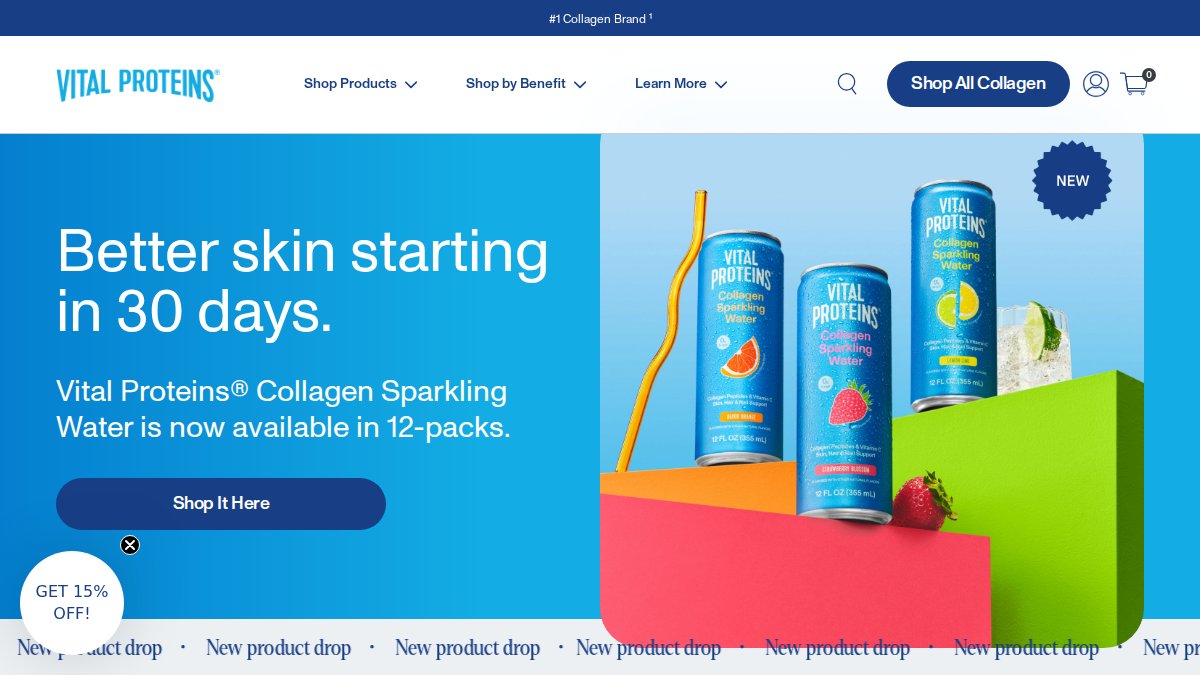
Vital Proteins and Ancient Nutrition: Collagen and Bone Broth Focus
If your concern is joint health, skin elasticity, or bone strength, collagen-based supplements address these directly. Vital Proteins specializes in collagen peptides, broken-down collagen your body can absorb and use. Ancient Nutrition combines collagen with bone broth protein and superfood ingredients for joint and gut health.
The evidence for collagen supplementation is stronger than many realize. Collagen is the structural protein in connective tissue, bone, and skin. Supplementing provides raw material your body uses for repair and maintenance. For someone over 60 or dealing with joint issues, this targeted approach often works better than hoping a general multivitamin covers everything.
Klean Athlete: NSF Certified for Sport
If you're active or training, Klean Athlete's NSF Certified for Sport supplements eliminate uncertainty about banned substances. NSF Certified for Sport means the product has been tested for more than 300 banned substances and verified for label accuracy. Their product line focuses on performance and recovery: protein, creatine, amino acids, and targeted micronutrients.
What Makes a Garden of Life Alternative Worth Switching To
Switching supplement brands creates friction, so an alternative needs to offer something genuinely better to justify the switch.
The strongest reasons to switch:
Better digestive tolerance. If Garden of Life causes stomach upset, nausea, or constipation, hypoallergenic brands like Pure Encapsulations or fermented options like New Chapter often resolve the issue.
Superior third-party testing. Brands like Thorne Research with NSF Certified for Sport or Pure Encapsulations with published testing results offer verification that Garden of Life doesn't always provide as transparently.
Better bioavailability. Fermented supplements from New Chapter or brands prioritizing nutrient form actually absorb better.
Targeted formulation. If you have specific health concerns, specialized brands address your actual needs rather than offering generic multivitamins.
Values alignment. Hand-made USA producers like Green Organic Supplements offer transparency and ethical sourcing that large corporations can't match.
Choosing a supplement alternative comes down to matching your specific needs to a brand's actual strengths. Thorne Research offers superior third-party testing. Pure Encapsulations solves digestive sensitivity. New Chapter prioritizes absorption through fermentation. Green Organic Supplements delivers hand-made quality and fresh delivery with clean, organic ingredients crafted in the USA.
The best alternative isn't the most popular or cheapest, it's the one that solves your actual problem. Identify what you want to change about your current supplement routine, then choose a brand that addresses that specific concern.
Frequently Asked Questions
What are the best third-party tested supplement brands?
Thorne Research, Pure Encapsulations, and New Chapter are among the top third-party tested supplement brands. All three prioritize NSF or equivalent certifications, rigorous quality control, and transparent ingredient sourcing. Thorne offers NSF Certified for Sport products, Pure Encapsulations focuses on hypoallergenic formulas free from common allergens, and New Chapter emphasizes fermented organic ingredients for enhanced bioavailability. Third-party testing ensures your supplements contain exactly what the label claims and are free from contaminants.
How do I choose a high-quality multivitamin as a Garden of Life alternative?
Look for multivitamins with whole-food or food-complexed ingredients, third-party testing certifications, and a transparent supplement facts label listing CFU counts for probiotics and bioavailable forms of nutrients. Check for organic certification, non-GMO verification, and absence of synthetic fillers. Consider your specific health needs: if you have digestive sensitivity, choose brands like MegaFood or New Chapter known for gentle formulations. If you prioritize allergen-free options, Pure Encapsulations is ideal. Always verify manufacturing standards and read customer reviews from your age group or health situation.
Is Garden of Life worth the premium price compared to alternatives?
Garden of Life commands premium pricing due to its whole-food sourcing and organic certification. However, alternatives like MegaFood offer similar whole-food formulations at comparable or lower costs, while NOW Foods delivers quality supplements at significantly lower price points. The best choice depends on your priorities: if you need specialized formulations or have severe allergies, the premium may justify the cost. For general wellness on a budget, NOW Foods or Green Organic Supplements provide strong value without sacrificing quality or third-party testing standards.
What makes Garden of Life vs MegaFood different in terms of formulation?
Garden of Life emphasizes whole-food nutrient complexes and organic certification across its line, while MegaFood similarly uses whole-food ingredients but focuses on non-GMO verification and gentle, easy-to-digest formulations. Both avoid synthetic vitamins and prioritize bioavailability. The key difference: Garden of Life often includes additional proprietary blends, while MegaFood keeps formulations simpler and more straightforward. MegaFood may be gentler for sensitive stomachs, while Garden of Life appeals to those seeking comprehensive nutrient profiles in single products.
This article was written using GrandRanker