

Table of Contents
- What Is Chronic Inflammation and Why Does It Matter?
- Top Natural Supplements for Chronic Inflammation
- Bioavailability: Getting the Most From Each Supplement
- Drug-Supplement Interactions and Safety Considerations
- How Long Does It Take for Supplements to Reduce Inflammation?
- FDA Regulation of Dietary Supplements: What Buyers Should Know
- Anti-Inflammatory Diet Plan: Making Supplements Work Harder
- Choosing Chronic Inflammation Supplements That Fit Your Life
Last Updated: August 9, 2026
What Is Chronic Inflammation and Why Does It Matter?
Chronic inflammation is a persistent, low-grade immune response in which the body continues signaling danger even when no acute threat exists. Unlike acute inflammation that heals a cut, chronic inflammation lingers for months or years, quietly damaging tissues, joints, and cardiovascular systems. It underlies arthritis, metabolic disorders, and cardiovascular disease.
Chronic inflammation elevates markers like C-reactive protein and triggers oxidative stress at the cellular level. This sustained immune dysregulation accelerates tissue breakdown and contributes to metabolic decline. According to the National Institute of Environmental Health Sciences overview of inflammation, chronic inflammation is now recognized as a central driver of many age-related diseases, explaining why many adults over 60 seek long-term management tools beyond prescriptions.
Top Natural Supplements for Chronic Inflammation
The most researched natural supplements for chronic inflammation modulate immune signaling pathways, reduce oxidative stress, and support cellular health without the systemic suppression that pharmaceutical anti-inflammatories can cause.
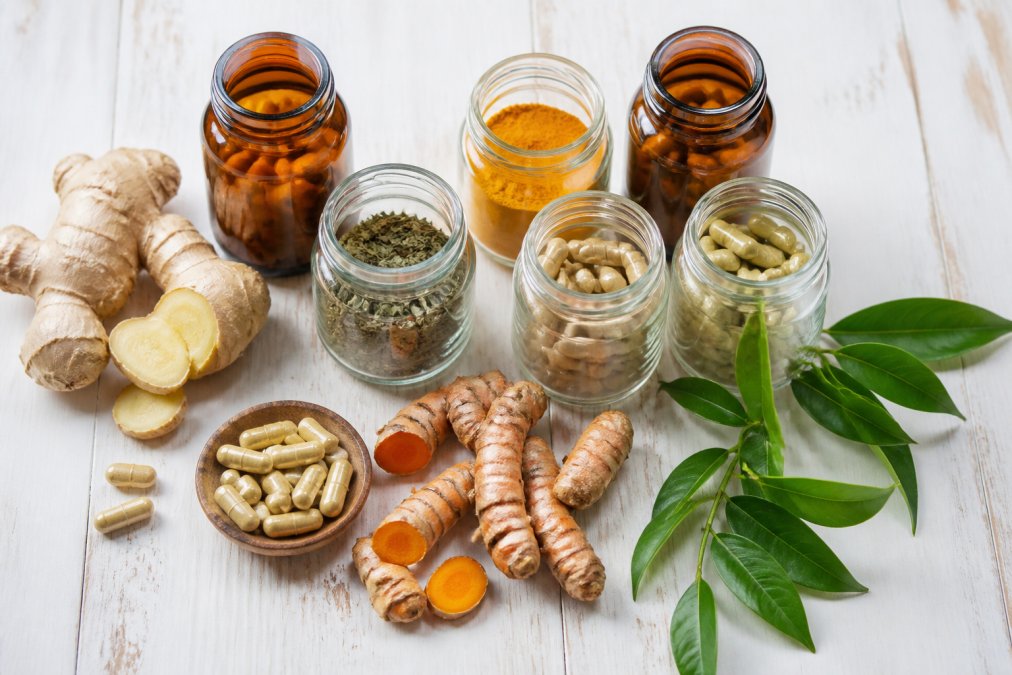
| Supplement | Primary Mechanism | Key Consideration |
|---|---|---|
| Curcumin (Turmeric) | Inhibits NF-kB inflammatory pathway | Requires piperine for absorption |
| Omega-3 Fatty Acids | Converts to anti-inflammatory resolvins | EPA+DHA content matters, not just fish oil |
| Boswellia Serrata | Blocks 5-LOX enzyme | Standardized AKBA extract preferred |
| Ginger Root | Inhibits COX and LOX enzymes | Well-tolerated for sensitive stomachs |
| Green Tea (EGCG) | Polyphenol antioxidant activity | Best from standardized, decaffeinated extract |
Curcumin and Turmeric: The Most Researched Option
Curcumin is the primary bioactive compound in turmeric and the most extensively studied plant-based anti-inflammatory available. It targets NF-kB, a protein complex controlling inflammatory cytokine transcription. When NF-kB signaling is modulated, the cascade of pro-inflammatory compounds driving chronic inflammation is interrupted at the source.
The challenge: curcumin has notoriously poor bioavailability. Pairing it with piperine (from black pepper) increases absorption significantly. Phospholipid-bound and nano-curcumin formulations address this further. For adults managing joint pain or systemic inflammation, a standardized curcumin extract is meaningfully different from simply adding turmeric to food.
Omega-3 Fatty Acids and Fish Oil
Omega-3 fatty acids are among the most validated dietary interventions for reducing systemic inflammation. EPA and DHA are converted by the body into specialized pro-resolving mediators, including resolvins and protectins, which actively resolve inflammatory processes.
Most people consuming a standard American diet are significantly deficient in omega-3s relative to omega-6 fatty acids. This imbalance itself drives chronic inflammatory states. The critical variable is dose and EPA/DHA concentration. Look for a combined EPA+DHA content of at least 1,000 mg per serving from a third-party tested source.
As documented in NIH Office of Dietary Supplements omega-3 fact sheet, omega-3 supplementation has shown consistent effects on inflammatory biomarkers including C-reactive protein across multiple clinical contexts.
Boswellia Serrata for Joint Pain and Mobility
Boswellia serrata inhibits 5-lipoxygenase, the enzyme responsible for producing leukotrienes, inflammatory compounds particularly implicated in joint inflammation. This makes boswellia especially relevant for adults managing arthritis-related joint pain and reduced mobility.
Quality boswellia supplements specify AKBA content, AKBA is the most bioactive boswellic acid. Standardized extracts deliver consistent therapeutic compounds; generic boswellia powder without standardization is unreliable. Many users notice improved joint mobility and reduced morning stiffness, and boswellia is generally well-tolerated for older adults managing gastrointestinal sensitivity.
Ginger Root: A Practical Anti-Inflammatory Herb
Ginger root inhibits both COX and LOX enzyme pathways through its bioactive compounds gingerols and shogaols, the same pathways targeted by common over-the-counter anti-inflammatory medications. Ginger also has a strong safety profile for gastrointestinal tolerance, making it practical for individuals who experience digestive upset with other supplements. Standardized ginger extract is more consistent than raw powder for therapeutic use.
Green Tea Polyphenols and EGCG
EGCG is the primary polyphenol in green tea and one of the most studied antioxidant compounds in the human diet. Its anti-inflammatory mechanism operates at the level of oxidative stress: EGCG neutralizes free radicals and modulates inflammatory gene expression, reducing cellular damage that drives chronic inflammation.
For supplemental use, standardized green tea extract specifying EGCG content is more reliable than brewed tea, where polyphenol concentration varies widely. Decaffeinated extracts are preferable for older adults or those sensitive to caffeine.
Bioavailability: Getting the Most From Each Supplement
Bioavailability is the percentage of an ingested compound that actually reaches systemic circulation and exerts biological effects. This is the most overlooked factor in supplement efficacy. Plant-based anti-inflammatory compounds like curcumin, EGCG, and boswellic acids all face significant absorption barriers. Without formulation strategies to address this, a large portion of each dose passes through without therapeutic effect.
Practical strategies to optimize nutrient absorption:
- Curcumin: Take with piperine-containing supplements or a fat-containing meal. Phospholipid formulations improve absorption substantially.
- Omega-3s: Take with a meal containing dietary fat. Triglyceride-form fish oil absorbs better than ethyl ester form.
- Boswellia: Take with food, specifically a fat-containing meal, which increases AKBA absorption.
- Ginger: Bioavailability is generally adequate from standardized extracts taken with or without food.
- EGCG: Avoid taking with dairy, which can bind polyphenols and reduce absorption. Take between meals.
Consistent daily dosing maintains steady-state concentrations of bioactive compounds, which is more effective for chronic inflammation management than irregular dosing.
Drug-Supplement Interactions and Safety Considerations
Natural does not mean interaction-free. Several of the most effective anti-inflammatory supplements have documented interactions with commonly prescribed medications.
Key interactions to discuss with your physician:
- Curcumin: Can potentiate blood thinners including warfarin. Also interacts with certain diabetes medications.
- Omega-3 fatty acids: At higher doses, omega-3s have anticoagulant properties. Individuals on anticoagulant therapy should have dosing reviewed by a physician.
- Boswellia: Limited interaction data, but some evidence of interaction with immunosuppressant medications.
- Ginger: Mild anticoagulant effect. Relevant for individuals on blood thinners or pre-surgical patients.
- Green tea extract: Contains vitamin K, which can counteract warfarin. High-dose EGCG supplements have shown hepatotoxic effects in rare cases.
How Long Does It Take for Supplements to Reduce Inflammation?
Most evidence suggests a meaningful anti-inflammatory response requires a minimum of four to eight weeks of consistent daily supplementation. Anti-inflammatory supplements are not acute pain relievers; they work by gradually modulating inflammatory signaling pathways and reducing oxidative stress over time.
Realistic timelines by compound:
- Omega-3 fatty acids: Measurable changes in inflammatory biomarkers typically appear after six to twelve weeks.
- Curcumin: Many users report reduced joint stiffness within four to six weeks with a bioavailable formulation.
- Boswellia: Joint mobility improvements are often noted within four to eight weeks.
- Ginger and EGCG: Effects on oxidative stress markers develop over eight to twelve weeks.
Tracking progress with a baseline C-reactive protein blood test before starting supplements and retesting after three months gives a concrete measure of anti-inflammatory response.
FDA Regulation of Dietary Supplements: What Buyers Should Know
The FDA does not approve dietary supplements for safety or efficacy before they reach the market. Under the Dietary Supplement Health and Education Act as described by the FDA, manufacturers are responsible for ensuring their products are safe, but the FDA's enforcement role is primarily post-market. A supplement can be sold without any clinical evidence of efficacy.
This is why third-party testing is essential. It is the primary mechanism by which buyers can verify that a product contains what it claims.
Third-Party Testing and Quality Control Standards
Third-party testing means an independent laboratory has verified the supplement's identity, potency, and purity, confirming it contains the stated ingredients at the stated levels and is free from contaminants including heavy metals, pesticides, and microbial pathogens.
Look for these certifications when evaluating any natural supplement for chronic inflammation:
- NSF International: Tests for label accuracy and contaminants. Widely recognized by healthcare professionals.
- USP Verified: Confirms identity, potency, purity, and dissolution performance.
- Informed Sport / Informed Choice: Relevant for anyone concerned about banned substances.
- ConsumerLab: Independent testing organization that publishes comparative analyses.
At Green Organic Supplements, our products are hand-made in the USA with clean ingredients. We encourage every customer to ask any supplement company, including us, for specific documentation of third-party testing before purchasing.
Anti-Inflammatory Diet Plan: Making Supplements Work Harder
Supplements work best as part of a broader anti-inflammatory dietary pattern. The research consistently points to the same core foods: fatty fish, leafy greens, berries, olive oil, nuts, and whole grains. These foods supply polyphenols, omega-3 fatty acids, and antioxidant compounds that work synergistically with supplemental anti-inflammatory compounds.

The Mediterranean dietary pattern is the most extensively studied anti-inflammatory diet, and according to Harvard T.H. Chan School of Public Health overview of the Mediterranean diet, it is associated with reduced markers of systemic inflammation across multiple population studies.
Practical integration points:
- Take curcumin and boswellia with meals that include healthy fats to maximize absorption.
- Prioritize two to three servings of fatty fish per week alongside omega-3 supplementation.
- Limit refined carbohydrates and processed seed oils, which promote the omega-6 imbalance that drives inflammatory states.
- Consistent meal timing supports the immune system regulation that anti-inflammatory supplements complement.
A strong anti-inflammatory diet with targeted supplementation produces meaningfully better results than supplements alone.
Choosing Chronic Inflammation Supplements That Fit Your Life
The biggest mistake people make when starting natural supplements for chronic inflammation is choosing based on marketing rather than mechanism. The second biggest mistake is choosing products that do not fit their actual lifestyle, which leads to inconsistent use and no results.
Here is a practical decision framework:
| Your Situation | Best Starting Point | Why |
|---|---|---|
| Joint pain, arthritis | Curcumin + Boswellia | Both target joint-specific inflammatory pathways |
| Cardiovascular inflammation concern | Omega-3 (high EPA) | Most evidence for cardiovascular inflammatory markers |
| Digestive sensitivity | Ginger root | Best GI tolerance profile |
| General antioxidant support | Green tea EGCG | Broad cellular health benefits |
| On blood thinners | Physician review first | Multiple interactions possible |
Consistency matters more than perfection. A well-formulated supplement taken daily for twelve weeks will outperform a premium product taken sporadically. For adults managing chronic conditions, the quality of what goes into the supplement is as important as the supplement itself. Clean ingredients, no unnecessary fillers, and transparent sourcing reduce the risk of contaminants that can aggravate sensitive systems.
The path forward for most people managing chronic inflammation is not a single supplement. It is a combination of two or three targeted compounds, a consistent anti-inflammatory dietary pattern, and regular monitoring of inflammatory biomarkers to assess what is actually working.
Frequently Asked Questions
What are the most effective supplements for chronic inflammation?
Curcumin (from turmeric), omega-3 fatty acids, Boswellia serrata, ginger root, and green tea polyphenols have the strongest clinical evidence behind them for managing chronic inflammation. Curcumin and omega-3s are particularly well studied, with research linking them to reduced C-reactive protein levels and lower oxidative stress. Choosing standardized extracts with verified bioactive compound concentrations gives you the best chance of seeing measurable results.
How do I know if I have chronic inflammation?
Common signs include persistent joint pain, ongoing fatigue, digestive discomfort, frequent infections, and skin flare-ups. A blood test measuring C-reactive protein (CRP) and erythrocyte sedimentation rate (ESR) can confirm systemic inflammation. Your primary care physician can order these tests. Elevated CRP in particular is a widely used biomarker for tracking both the presence and the improvement of chronic inflammation over time.
Are there side effects to taking natural anti-inflammatory supplements?
Most are well tolerated at recommended doses, but side effects are possible. High-dose curcumin can cause nausea or loose stools in sensitive individuals. Fish oil at large doses may thin the blood. Boswellia can occasionally cause mild digestive upset. Anyone on blood thinners, blood pressure medications, or immunosuppressants should speak with their doctor before starting any new supplement, as interactions can affect how both the drug and the supplement perform.
Can diet and supplements work together to lower inflammation?
Yes, and combining both approaches tends to produce better outcomes than either alone. An anti-inflammatory diet rich in fatty fish, leafy greens, berries, olive oil, and whole grains reduces the overall inflammatory load on the body. Supplements then fill specific nutritional gaps or deliver therapeutic compounds at doses difficult to reach through food alone. Together, they support immune system regulation, metabolic health, and long-term management of chronic inflammation more comprehensively than supplements in isolation.
How long does it take for supplements to reduce inflammation?
Most people notice gradual changes within 4 to 8 weeks of consistent daily use, though some report improved joint comfort sooner. CRP levels and other inflammation markers typically shift over 8 to 12 weeks of sustained dietary intervention and supplementation. Bioavailability matters here: curcumin paired with piperine, for example, absorbs significantly faster than standard turmeric powder, which can shorten the time before you notice a difference.
I'm taking blood pressure medication, is it safe to add anti-inflammatory supplements?
Certain supplements interact with common medications. Omega-3s and high-dose ginger can have mild blood-thinning effects, which matters if you are on anticoagulants. Boswellia and turmeric may affect how the liver processes some drugs. Always review your full medication list with your physician or pharmacist before adding any new supplement, especially if you are managing a chronic condition or considering transitioning away from a prescription.
What should I look for to verify a supplement is high quality?
Look for products that carry third-party certification from organizations such as NSF International, USP, or Informed Sport. These certifications confirm that what is on the label is actually in the bottle, at the stated dose, and free from contaminants. Standardized extracts, where the percentage of the key bioactive compound is specified, are more reliable than generic herbal powders. Organic certification and clean-label ingredient lists (no unnecessary fillers or artificial additives) are additional quality signals worth checking.
Managing chronic inflammation over the long term requires reliable, high-quality support you can count on every day. Green Organic Supplements offers hand-made organic supplements crafted in the USA with clean ingredients, delivered directly to your door with fast shipping so your daily regimen never lapses. Explore our full range and find the right combination for your needs.
This article was written using GrandRanker